

Staff
-
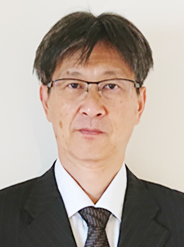
ProfessorTatsushi ShiomiTatsushi Shiomi
-
Associate ProfessorTakashi AkiyamaTakashi Akiyama
-
Assistant ProfessorHirotake NishimuraHirotake Nishimura
-
Assistant ProfessorHideyo FujiwaraHideyo Fujiwara
-
Assistant ProfessorTakeshi MatsunoTakeshi Matsuno
-
Assistant ProfessorFumiaki SanukiFumiaki Sanuki
-
InstructorYumiMatsuuraYumiMatsuura
Research Areas and Key Themes
The Department of Diagnostic Pathology Verification is part of the Morphological Sciences Division of the Graduate School of Medicine. Our department is dedicated to research based on pathological morphology. Our core mission is to deepen the understanding of diagnostic pathology and bridge the gap between morphological insights and clinical applications. We embrace a triadic philosophy of education, clinical practice, and research, fostering an integrated approach that advances academic and medical frontiers alike. Our research is guided by a commitment to precision diagnostics and translational relevance. By integrating morphological analysis with molecular and immunohistochemical techniques, we aim to clarify disease mechanisms and promote the development of personalized medicine.
Key Research Themes:
- Pathological Analysis of Zinc-Regulating Transporters in Breast Cancer: Investigating the role of metal ion metabolism in tumorigenesis to identify novel therapeutic targets.
- Immunohistochemical Study of the Microimmune Environment in Extramammary Paget’s Disease: Clarifying the pathophysiology of rare diseases to improve diagnostic accuracy and therapeutic strategies.
- Development of Novel Biomarkers Based on Antitumor Immune Environments in Gynecologic Malignancies: Advancing individualized treatment approaches through immune profiling.
- Exploration of a Ñew Pathological Classification System for Endometrial Carcinoma Using Emerging Biomarkers: Enhancing prognostic precision and guiding therapeutic decisions.
- Clinicopathological Investigation of the Mechanisms Underlying Aortic Dissection: Unraveling the interplay between vascular microstructure and inflammatory responses to inform preventive medicine.
Through our diverse research endeavors, we integrate morphological expertise with molecular pathology to contribute to the evolution of diagnostic science. Our department is dedicated to promoting collaborative education, improving clinical practice, and enriching the broader medical community.