
Staff
-
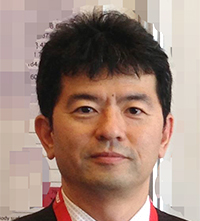
ProfessorYuichiro TodaYuichiro Toda
-
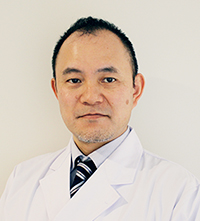
ProfessorIchiro OhashiIchiro Ohashi
-
Professor with Special AssignmentHideki NakatsukaHideki Nakatsuka
-
Professor with Special AssignmentKiyoshi MoritaKiyoshi Morita
-
Professor with Special AssignmentMamoru TakeuchiMamoru Takeuchi
-
Associate ProfessorKyoichiro MaeshimaKyoichiro Maeshima
-
Assistant ProfessorMasaaki TaninoMasaaki Tanino
-
Assistant ProfessorMasao HayashiMasao Hayashi
-
Assistant ProfessorNaoto IkemotoNaoto Ikemoto
-
Assistant ProfessorYoko OchiaiYoko Ochiai
-
Assistant ProfessorKousuke KurodaKousuke Kuroda
-
Assistant ProfessorYuka SakuraiYuka Sakurai
-
Assistant ProfessorYuka SakutaYuka Sakuta
-
Assistant ProfessorYukiko YoshidaYukiko Yoshida
-
Assistant Professor with Special AssignmentKatsuhisa KawaguchiKatsuhisa Kawaguchi
-
InstructorWakako TeraokaWakako Teraoka
-
InstructorYurika FujiiYurika Fujii
-
InstructorYukari KakumaeYukari Kakumae
-
InstructorAkihiro MatsuuraAkihiro Matsuura
-
InstructorTatsuya YamamotoTatsuya Yamamoto
-
InstructorShino ShinoharaShino Shinohara
-
InstructorKazushi NagamiKazushi Nagami
-
InstructorMizuho MatsushimaMizuho Matsushima
-
InstructorHitomi FujiwaraHitomi Fujiwara
-
InstructorYume AdachiYume Adachi
-
InstructorSyouta ShinmaruSyouta Shinmaru
-
InstructorAnna FushimiAnna Fushimi
-
InstructorGou OosakiGou Oosaki
-
InstructorAyaka YamamotoAyaka Yamamoto
-
InstructorYuki IshiiYuki Ishii
-
InstructorMokuren ShinMokuren Shin
Educational Focus and Overview
Anesthesiology and Intensive Care Medicine focus on three main areas:
- perioperative medicine consisting of preoperative general evaluation, intraoperative anesthesia, and postoperative patient care
- intensive care medicine for treating critically ill patients
- chronic pain service in outpatient settings
In addition to medical student education and research, we are responsible for medical treatment at Kawasaki Medical School Hospital and Kawasaki Medical School General Medical Center.
Students in the Anesthesiology and Intensive Care Medicine program gain foundational knowledge in anatomy, physiology, biochemistry, and pharmacology, as well as their clinical applications, through lectures and practical training in the field of perioperative medicine. Fourth-year medical students learn about blood transfusion, pharmacokinetics and pharmacodynamics of anesthetics, pain management techniques, respiratory and cardiovascular physiology, and basic biochemistry in perioperative management lectures. In clinical training, students focus on patient management during surgery, including preoperative assessment and postoperative management in wards and intensive care units, gaining practical experience in anesthetic management and postoperative care. In particular, students will deepen their understanding of pain management, fluid and electrolyte management, blood transfusion, mechanical ventilation and blood gas analysis, cardiovascular assessment, and circulatory drugs and mechanical support. They will also use simulators to learn medical techniques such as airway management, including tracheal intubation, intravenous puncture, and ultrasound diagnosis.
In the intensive care unit, students will focus on patient care, mechanical ventilation, cardiovascular support, and monitoring, as well as organizing the latest knowledge on acute respiratory distress syndrome and sepsis.
In the pain clinic, students will learn how to examine patients who visit the clinic with pain as their main complaint and consider a diagnosis. They will also gain an understanding of treatments such as nerve blocks, pharmacotherapy, and cognitive behavioral therapy, as well as knowledge of palliative care, postoperative pain services, and labor analgesia.
Perioperative management, critical care, and pain clinics are all representative medical services that are provided through a team of specialists, including anesthesiologists, intensive care physicians, pain clinic physicians, nurses, clinical engineers, physical therapists, dietitians, and pharmacists, all working together with the attending physician. Understanding the importance of team-based medicine and developing an awareness of interdisciplinary collaboration are key educational goals. Additionally, our department contributes to enhancing medical care by conducting lectures and practical training for the Medical Engineering Department at Kawasaki Medical and Welfare University and for the Nurse Specific Procedures Training Program.
Research fields and main research themes
The field of anesthesiology and intensive care medicine is broad. The current themes of our department include:
- research on the mechanisms of pain and its treatment
- the pharmacokinetics of anesthetic drugs
- anesthetic methods and patient outcomes
- the development of new neuromuscular blockade monitors
- the treatment of chronic pain using virtual reality
- the development of analgesic delivery devices
- the development of methods for the early diagnosis of organ failure, particularly acute kidney injury.
In terms of clinical research, achieving significant results through a single institution is challenging due to issues such as patient consent and the scale of the study. Our department collaborates regularly with general medical centers and actively participates in joint research with multiple institutions. Regarding basic experimental research, we have published papers on the mechanisms of pain onset in animals and pain relief through gene therapy, with the aim of advancing clinical applications. Additionally, we are focusing on elucidating the mechanisms of organ dysfunction, particularly acute kidney injury, using critically ill patients as models.