
Member
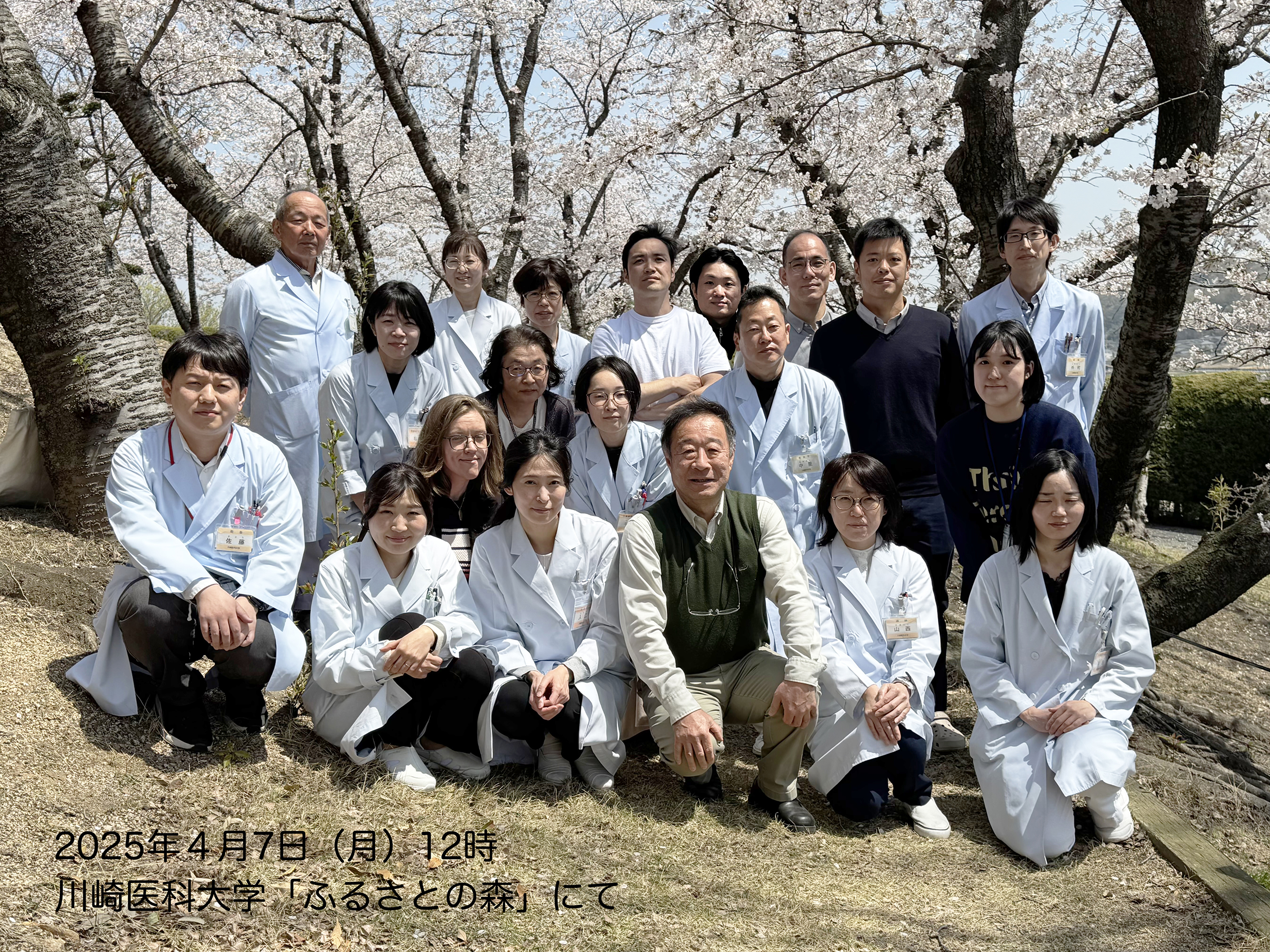
taken at "the Furusatonmori" on April 7, 2025
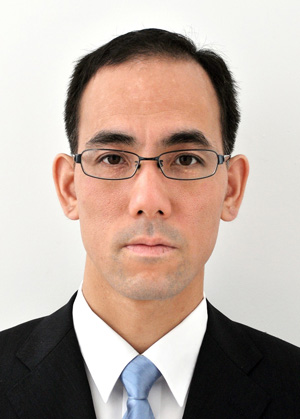
Associate Professor Shuichi Hayashi, Ph.D.
Associate Professor Tetsuhiro (Hiro) Yokonishi, MD, Ph.D.
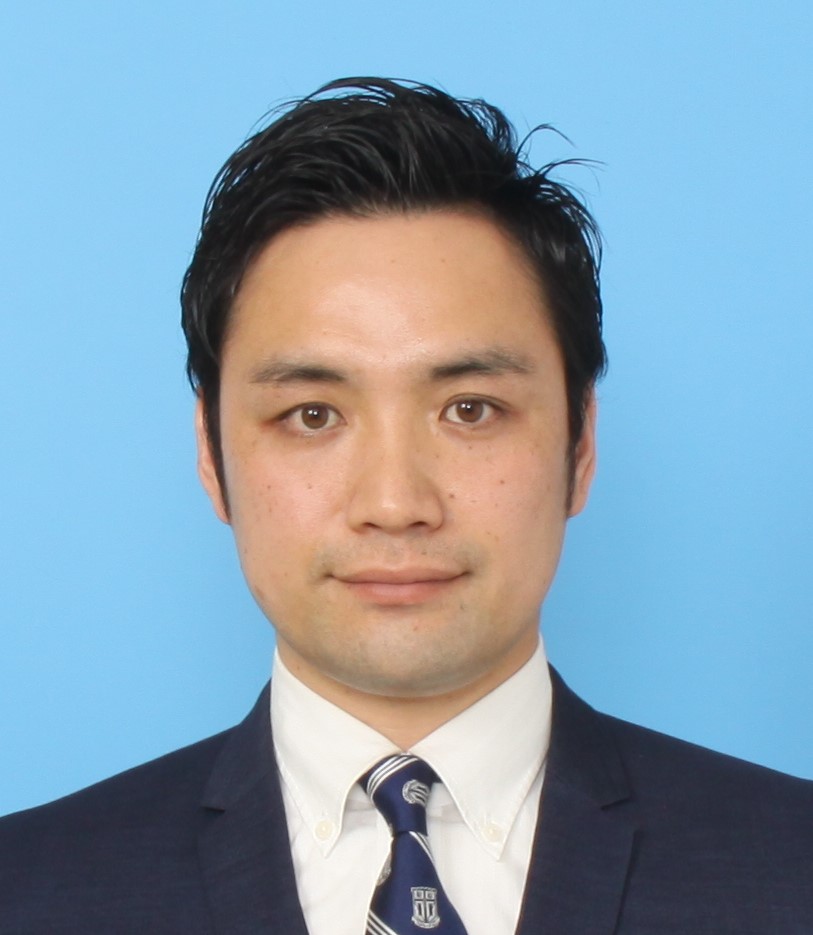
I am a urologist and I have a broad background in Andrology, with specific training and expertise in basic research using mouse. My clinical and research have focused on rescuing male infertility and developing method preserving fertility of male cancer patients. While Ph. D candidate I succeeded in publishing a paper about production of functional sperm from cryopreserved neonatal testis by culture system. This work showed the best cryopreserving method of testis tissue and reported obtaining a matured sperm from sexually pre-matured cryopreserved neonatal testis in vitro for the first time in the world (Yokonishi et al. Nat commun. 2014). Since I joined Capel laboratory in Duke University, I learned testis development which is helpful to broad my knowledge and find a new approach to my study. Recently I succeed in reporting interesting manipulation of replacing endogenous Sertoli cells by specific drug leads to a male infertility therapy and a major breakthrough in xenogeneic transplantation in mouse result in preserving fertility of young cancer patients (Yokonishi et al. Nat commun. 2020). This project will generate new investigate the interaction between niche and spermatogonial stem cells in testis and testis regeneration.
Education and Training
• Post-doctoral Fellowship, Blanche Capel Lab., Department Of Cell Biology, Duke University, 2014 - 2020
• Ph.D., Takehiko Ogawa Lab., Yokohama City University, Ogawa lab, 2015
• M.D., Showa University, 2006
Email address; yokonishi(at)med.kawasaki-m.ac.jp(Please replace (at) with @.)
Assistant Professor(lecture) Haruyo Yamanishi, Ph.D.
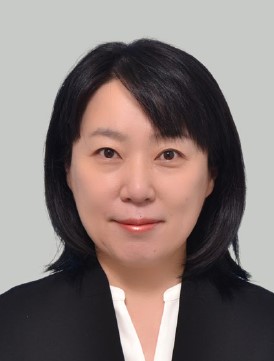
I received MSc from Osaka Graduated University, then I worked for a manufacturing company as a researcher. I was involved in product development of cosmetics, beauty device, functional food and clinical research of hair regenerative medicine. Furthermore, I researched the three-dimensional ultrastructure of lamellar granules, which play important role of skin barrier formation, in human epidermis. And I reveled the existence of lanceolate nerve endings surrounding human terminal hair. I received Ph.D. from Tokyo University of Technology. My present research is structural change of neuron in olfactory bulb effected by sexual hormones. In education, I am responsible for histological practice.
Assistant Professor(lecture) Masayuki Morita, Ph.D.

Born in Wakayama Prefecture, I entered Faculty of Pharmaceutical Sciences in Okayama University after graduating from Wakayama Prefectural Koyo High School. I had belonged to the Laboratory of Molecular Drug Informatics from the fourth year and studied the mode of action of anti-malarial drug candidate compounds against Plasmodium falciparum, caused with malaria under the supervision by Professor Yusuke Wataya and Associate Professor Hye-Sook Kim until Ph. D. completion. After receiving Ph. D. in 2013, I had worked as a postdoctoral researcher at Proteo-Science Center in Ehime University and identified a malaria vaccine candidate by applying wheat germ cell-free protein synthesis system. From 2016, I have been appointed as an associate professor and started working on the imaging of malaria parasites by applying confocal laser microscopy and super-resolution microscopy. To analyze parasite protein localization with nano-meter level resolution, I have learned immunoelectron microscopy and been studying organelles in malaria parasites. In 2024, I was appointed as a lecturer at Kawasaki Medical School. I am now studying P. falciparum malaria with electron microscopy to elucidate the molecular mechanism how malaria parasites infect to the hosts. In education, I am mainly responsible for histology.
Project Lecturer Simone Kurial, Ph.D.
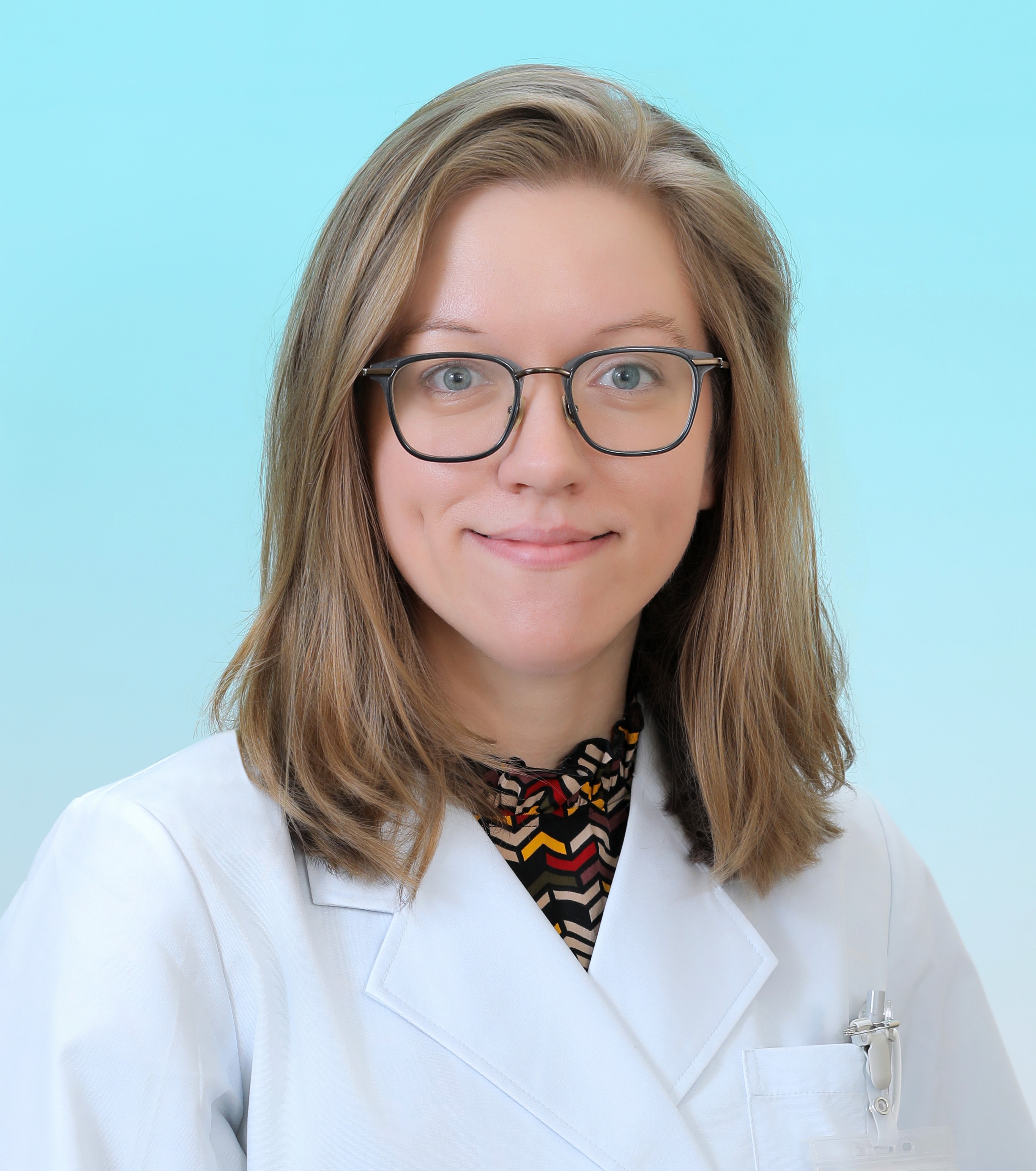
Simone Kurial received her Ph.D. in Biomedical Sciences at the University of California, San Francisco (UCSF) in 2025. She completed her thesis in the lab of Dr. Holger Willenbring, where she investigated mechanisms of hepatocyte transdifferentiation and biliary tree generation as well as targeted gene therapy and translational medicine. At UCSF, she received the Predoctoral Individual National Research Service Award (F31) from the National Institutes of Health, among other intramural fellowships. She has published original first-author investigations in Nature and Nature Biotechnology, and written perspective pieces for Science and Hepatology. Simone received her B.Sc. from Brown University, where she trained in the laboratory of Dr. Edith Mathiowitz. Her undergraduate research and honors thesis focused on the optimization of polymer-encapsulated therapeutic compounds for bioavailability. Simone joined the laboratory of Dr. Kazunori Toida at Kawasaki Medical School in 2025 to study electron microscopy and high-resolution imaging. She received her first JSPS grant, focused on defining the ultrastructure of different functional zones within the liver lobule, the same year. Her ultimate goal is to contribute to clinically relevant treatments for diseases of the liver and bile ducts. At Kawasaki Medical School, Simone lectures on Medical English and Histology.
Assistant Professor Soutatsu Tonomura, Ph.D.
My doctoral research was elucidation of structure and function in trigeminal primary neurons innervating whisker hair follicles, and I received my Ph.D. in Meiji University of Integrative Medicine, Dept. Anatomy in 2016. After my doctoral course, I belonged Hyogo College of Medicine as a postdoctoral fellow and investigated pain-respiratory response through the parabrachial neuron using electrophysiological methods. In 2018, I joined Dr. Jianguo Gu’s laboratory at the University of Alabama at Birmingham, and I focused on the dysfunction of ion channels at the node of Ranvier in demyelinated motor nerves in mammalian using in situ pressure-patch-clamp recording technique. In 2022, I was appointed an assistant professor at Kawasaki Medical School. My next research is analysis of electrophysiological properties and structures in the olfactory bulb neurons. Also, I get involved in the practice of human anatomy.
- Technical assistant Ms. Machiko Kawata
Person in charge: Human anatomy practice assistance in general, body management, donation business assistance, clerical work of the Anatomy Committee. - Technical assistant Mr. Takeshi Nakazato
Person in charge: Human anatomy practice assistance in general, body management, donation business assistance, clerical work of the Anatomy Committee. - Research assistant Ms. Mikiko Fukuda
Person in charge: Research assistance in general, electron microscope technology assistance, classroom affairs, clerical work of the Anatomy Committee. - Research assistant Ms. Akari Furukawa
Person in charge: Research assistance in general, electron microscope technology assistance, classroom affairs, clerical work of the Anatomy Committee. - Research assistant Ms. Yuki Ohkura
Person in charge: Research assistance in general, electron microscope technology assistance, classroom affairs, clerical work of the Anatomy Committee. - Technical assistant Mr. Hideki Irisawa
Person in charge: Human anatomy practice assistance, body management, donation business assistance. - Collaborating Researcher (Professor Toida)
Emi Kiyokage
Professor, Department of Medical technology, Faculty of Health Science and Technology, Kawasaki University of Medical Welfare. - Collaborating Researcher (Professor Toida)
Satoshi Ichikawa
Specially Appointed Professor, Research Center for Ultra-High Voltage Electron Microscopy &Graduate School of Engineering, Osaka University. - Collaborating Researcher (Professor Toida)
Takahiro Furuta
Professor , Department of Oral Anatomy and Neurobiology Graduate School of Dentistry Osaka University Department of Oral Anatomy and Neurobiology. - Collaborating Researcher (Professor Toida)
Hiroyuki Hioki
Professor, Department of Neuroanatomy, Juntendo University Graduate School of Medicine. - Collaborating Researcher (Professor Toida)
Kaori Muguruma
Assistant Professor Chubu University, Environmental Conservation Education and Research Center - Project Researcher (Professor Toida)
Masayuki Iwasaki
- Project Researcher (Professor Toida)
Toru Tanaka
- Collaborating Researcher(Professor Toida)
Emeritus Prof. John F Morris, MD, MA, FMedSci, F Anat
Department of Physiology, Anatomy & Genetics, University of Oxford
Wellcome-Franks Fellow (emeritus) in Medicine, St Hugh's College, University of Oxford - Collaborating Researcher(Professor Toida)
Prof. Mark Harrison
Director, Wellcome Unit for History of Medicine, University of Oxford
Co-Director, Wellcome Centre for Ethics and Humanities, University of Oxford - Collaborating Researcher(Professor Toida and Associate Professor Hayashi)
Prof. Zoltán Molnar MD DPhil FAS MAE,
Department of Physiology, Anatomy & Genetics, University of Oxford
Official Fellow and Tutor, St. John's College, University of Oxford - Collaborating Researcher(Professor Toida and Associate Professor Hayashi)
Dr. Tim Viney Ph.D.
Investigator Scientist, Department of Pharmacology, University of Oxford, UK.
Research Fellow, Wolfson College, University of Oxford, UK.
I teach anatomy and histology for 1st year medical students. My research focuses on the development of the cerebral cortex and its connectivity with subcortical regions. I am particularly interested in how dynamic cell-cell interactions, which are mediated by cell adhesion molecules and vesicular release, regulate cortico-subcortical wiring during development.
 https://orcid.org/0000-0001-7209-0007
I completed my PhD at the University of Tokyo, where I focused on the regulation of sperm tail movement driven by dynein motor proteins. I did my first post-doctoral research in the group of Dr Masatoshi Takeichi at the RIKEN Center for Developmental Biology (CDB), studying the role of non-clustered protocadherins in brain development. In 2016 I joined the group of Professor Zoltán Molnár at the University of Oxford as a postdoctoral fellow and investigated how neuronal activity regulates the synaptic development of cerebral cortical projections into the thalamus. In 2019 I was appointed as an Associate Professor at Kawasaki Medical School.
Email: s.hayashi(at)med.kawasaki-m.ac.jp
ORCID